.svg)


Have you
SUBSCRIBED?
Keep up with Cornish Life
Moments of Spring in Cornwall
Spring comes like a breath of fresh air, flushing out the cold, drab days of winter and awakening our senses. With a mix of fresh sunny mornings where mist rises off the fields, the need for wellies to tackle unexpected showers come the afternoon, and chilly evenings sending us marching back to our hot water bottles and blankets, it’s a time to transition into brighter, more hopeful times.
Moments of Spring in Cornwall
Spring comes like a breath of fresh air, flushing out the cold, drab days of winter and awakening our senses. With a mix of fresh sunny mornings where mist rises off the fields, the need for wellies to tackle unexpected showers come the afternoon, and chilly evenings sending us marching back to our hot water bottles and blankets, it’s a time to transition into brighter, more hopeful times.
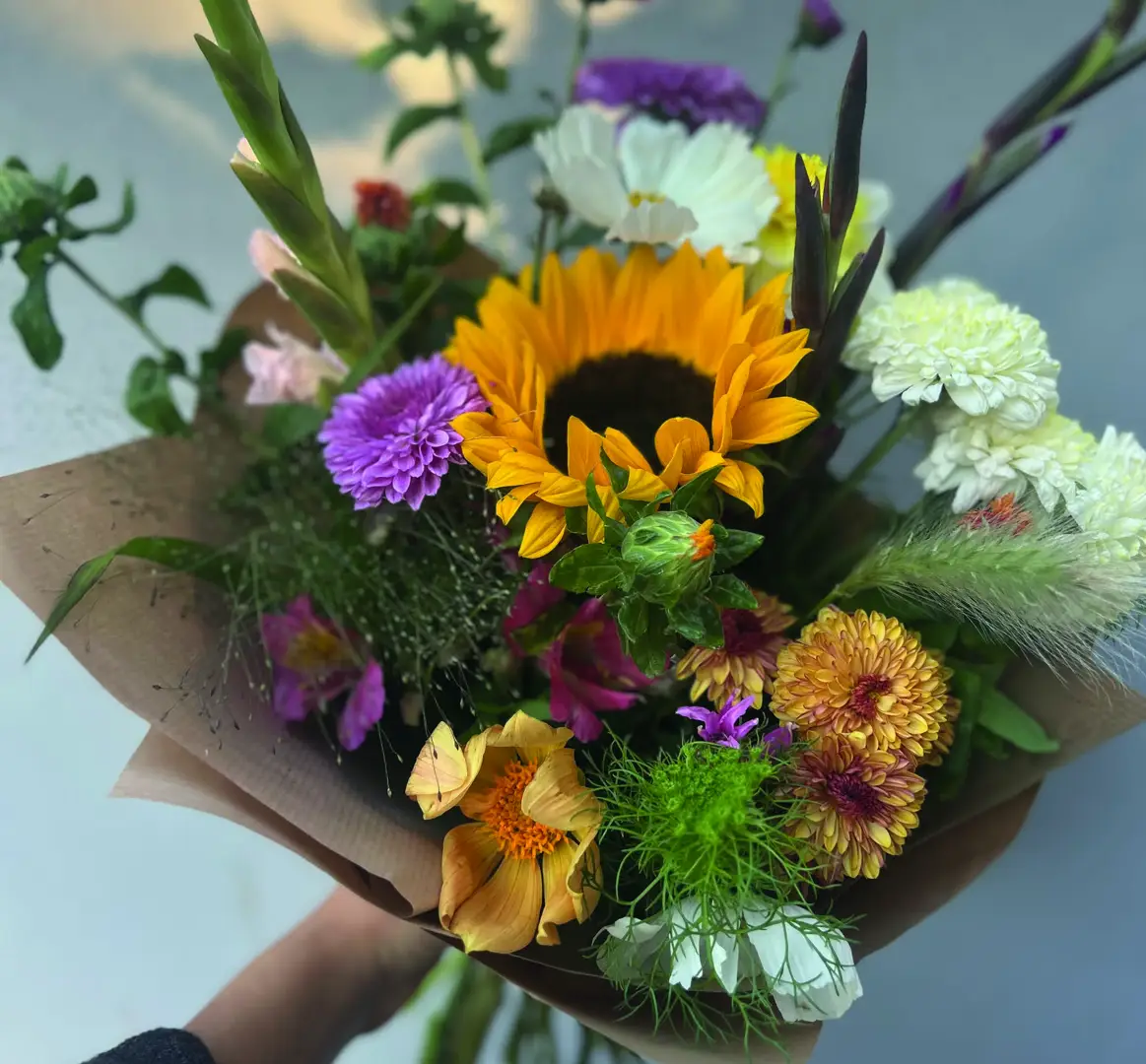
Spring Symbols
The most obvious first sign of spring is when the very first flowers begin to unravel from winter’s leafy carpet. Snowdrops are often what we notice first, with their white, cup-like flower heads dropping from pale green leafy stems. They’re a subtle sign of new beginnings, before a plethora of spring flowers bloom in their wake, and are usually spotted anytime from January through to March.
Daffodils are a true emblem of spring. When we see their sunshine-yellow heads, it is usually around March and April, coinciding with Mothers’ Day and Easter. Pick up a bunch from your local florist for Mum, gather some that have been growing in the garden to complement your Easter table, or simply sit and take in the golden view when you have a moment to yourself. They are sure to bring plenty of joy.
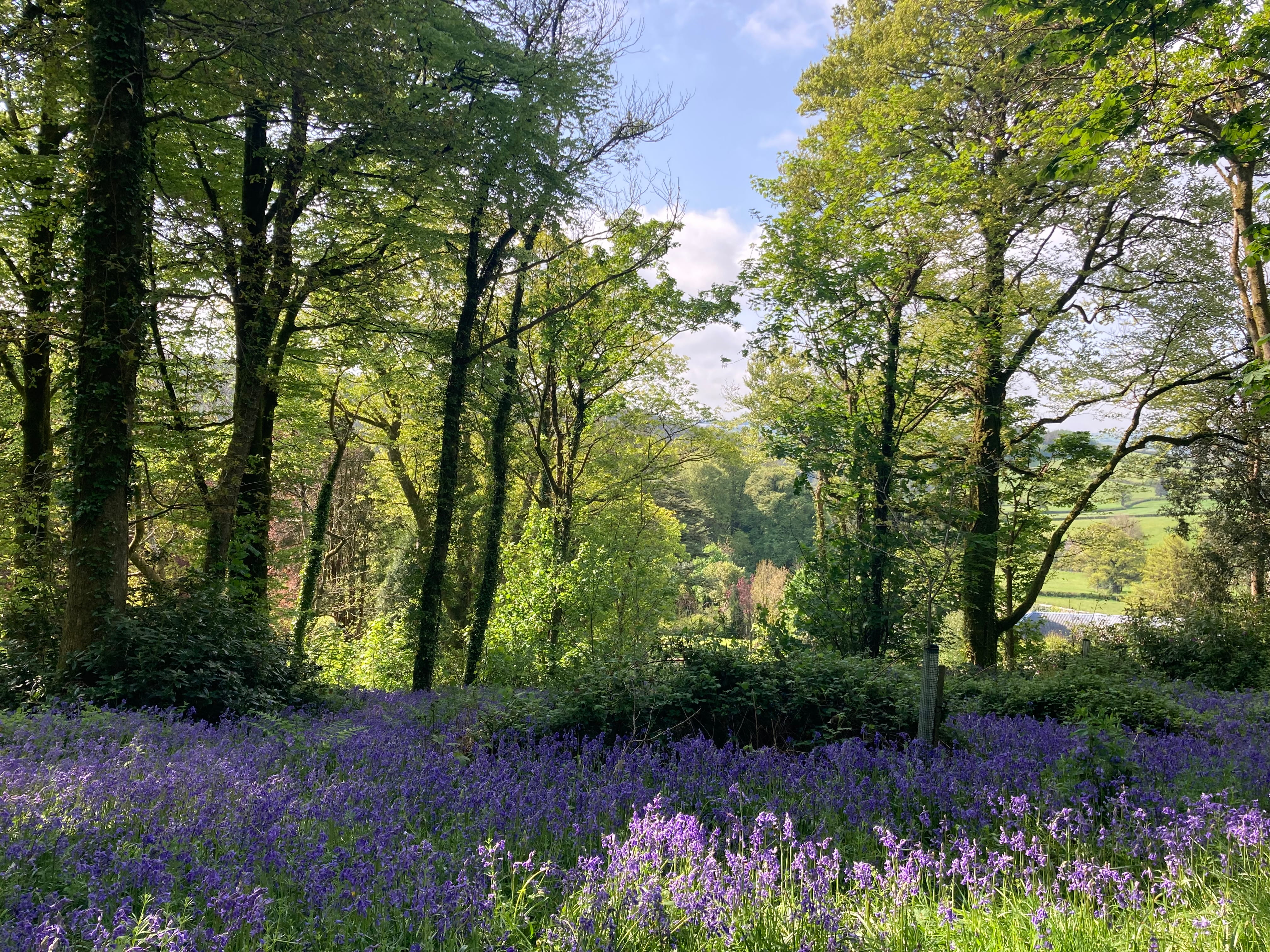
The bluebells of Lewtrenchard
A little later on in the season, bluebells begin to make an appearance. Usually spotted in woodland areas, their violet flowers and sweet scent are unmistakable. If you travel out of Launceston, just over the Cornwall-Devon border to Lewtrenchard and take the walk in the Forgotten Garden, built on an existing, overgrown Edwardian garden, the trails lead into a beautiful woodland which, come spring, bloom with a sea of violet as the bluebells take their stand under shady trees.
Sabine Baring-Gould, a parson, historian and folk-song collector, became the owner of the Lewtrenchard estate in the 19th century. His wife, Grace, suffered with illness and, to bring her some joy, he established a woodland garden in 1913. However, with the coming of the First World War, the garden fell into ruin. Grace passed away in 1916, while Sabine’s health eventually deteriorated and he too died in 1924. Sadly, the garden was left virtually untouched for almost 100 years, until a team of volunteers worked hard to bring it back to life for the enjoyment of the community.
The garden welcomes visitors for a bluebell event every spring, so visit https://www.forgottengarden.co.uk/category/events/ to keep up with their events.
Stories from Cornwall’s Shores
We’re all familiar with the stories and beloved characters in Beatrix Potter’s whimsical world of animals. In fact, the stories of Peter Rabbit and friends continue to be as popular with today’s children as they were at the start of the twentieth century, when they were first published.
In spring 1894, Beatrix visited Cornwall with her family. She ventured to Falmouth and St Mawes, and, during her stay, penned a number of illustrated letters to the children of her former governess. In one letter, she referenced the ‘Owl and the Pussycat’ rhyme: “I have read about the owl and the pussy-cat, who went to sea in a pea green boat, but I never saw anything of that kind till today.”
With this in mind, she scribbled down a story about a pig fleeing a ship on a rowing boat after the cook wanted to make it into sausages, sailing to Robinson Crusoe’s island. It is thought this may have been the first scratch of inspiration for ‘The Tale of Little Pig Robinson’, one of Beatrix’s very first stories, but the last to be published.
Beatrix was pictured sitting in a rowing boat during this particular spring trip. Afterwards, she described seeing ‘a great many curlews running along the muddy shore’, digging up worms in the sand - could this day have inspired her little story penned to friends at home?
Beatrix would go on to publish her very first book - The Tale of Peter Rabbit - in1902. Her last book was The Tale of Little Pig Robinson in 1930.
With thanks to historian Barry West.

_web.webp)