.svg)


Have you
SUBSCRIBED?
Keep up with Cornish Life
A Midwinter Feast: From Hearths to Tables
For many, food is at the heart of festive celebrations. A chance to indulge and savour the warmth of the season - whether it’s cooking up hearty suppers for the family, stirring a fresh pot of mulled wine, or simply giving yourself permission to let the Quality Street wrappers pile up on your lap in front of the telly - we love festive food in this country. But how does our modern-day turkey and trimmings compare with the traditional winter dishes served generations before us, and should we be looking to nature for our food sources more regularly?
A Midwinter Feast: From Hearths to Tables
For many, food is at the heart of festive celebrations. A chance to indulge and savour the warmth of the season - whether it’s cooking up hearty suppers for the family, stirring a fresh pot of mulled wine, or simply giving yourself permission to let the Quality Street wrappers pile up on your lap in front of the telly - we love festive food in this country. But how does our modern-day turkey and trimmings compare with the traditional winter dishes served generations before us, and should we be looking to nature for our food sources more regularly?
Winter Harvesting
By Rebecca Beattie, author of The Wheel of the Year: Your Rejuvenating Guide to Connecting with Nature’s Seasons and Cycles and The Way Through the Woods: The green witch's guide to navigating life's ups and downs (Elliott & Thompson).
Nature sleeps for winter, which means food sources become scarce, and our ancestors would have needed to plan a lot more for the winter than we do now. The festivals leading up to mid-winter gave three opportunities for harvesting and preserving food – first the corn harvest at Lammas, next the fruit harvest at autumn equinox, and lastly the blood harvest at Samhain, or Hallowe’en, which was referred to as Nos Kalan Gwav in Cornish.
So by celebrating either the solstice or any of the other ‘sun’ or ‘son’ related festivals at this time of year, we are carrying on the long traditions of our ancestors.
Ancient Feasting
In the late Neolithic period, many communities gathered to take part in midwinter feasts. It is suggested, from excavations around ancient sites around Britain, that animals such as pigs and cattle, plus a variety of plants, would have been consumed. Pork would have been roasted on a spit, while beef was stewed, and foraged foods like crab apples, hazelnuts, sloes and blackberries would have accompanied the meal.
The large number of bones found around settlements suggests that this food would have been served for feasting to celebrate the midwinter solstice, which marked the shortest day and longest night.
In the medieval period, winter meals change. The country has evolved entirely, with monarchs and nobles ruling. The castles of the past were built not only to defend and protect, but to entertain and show off the household’s status and wealth. As detailed in findings at Warkworth Castle in Northumberland, we can paint a picture of what people may have eaten over the festive period during this time.
According to winter expenditures at Warkworth Castle in 1512, goods such as coal, candles, exotic spices, and various pots were purchased, signalling the start of an indulgent period at the castle.
Banquets serving rich dishes such as pottage, meat, fowl and fish into hollowed-out loaves of bread - or ‘trenchers’ - with sauces and plenty of beer, ale and wine are likely to have been the main components of a medieval feast. This was adapted slightly by the Tudors, who focused heavily on meat, serving beef, venison, wild boar and even unusual things like badger! It was in the Tudor period that turkeys were first introduced to England, and a classic ‘Christmas pie’ consisted of pigeon inside partridge, inside chicken, inside goose, inside turkey, covered in pastry.
Even later, goose was the main event of the Christmas meal, though turkey was growing in popularity with the wealthy in the Georgian and Victorian times. Mince pies became a popular festive staple with the Georgians.
With thanks to English Heritage.
Festive Food Today
Today’s modern ‘Christmas dinner’ usually consists of turkey, roast potatoes, vegetables and gravy, followed by Christmas pudding - most similar to a Victorian plum pudding, made with dried fruits and boiled or steamed before serving with a fiery dash of brandy.
Like the medieval nobles, we still love a drink at Christmas, whether it be bucks fizz on Christmas Day morning, or mulled wine by the fire in the evening.
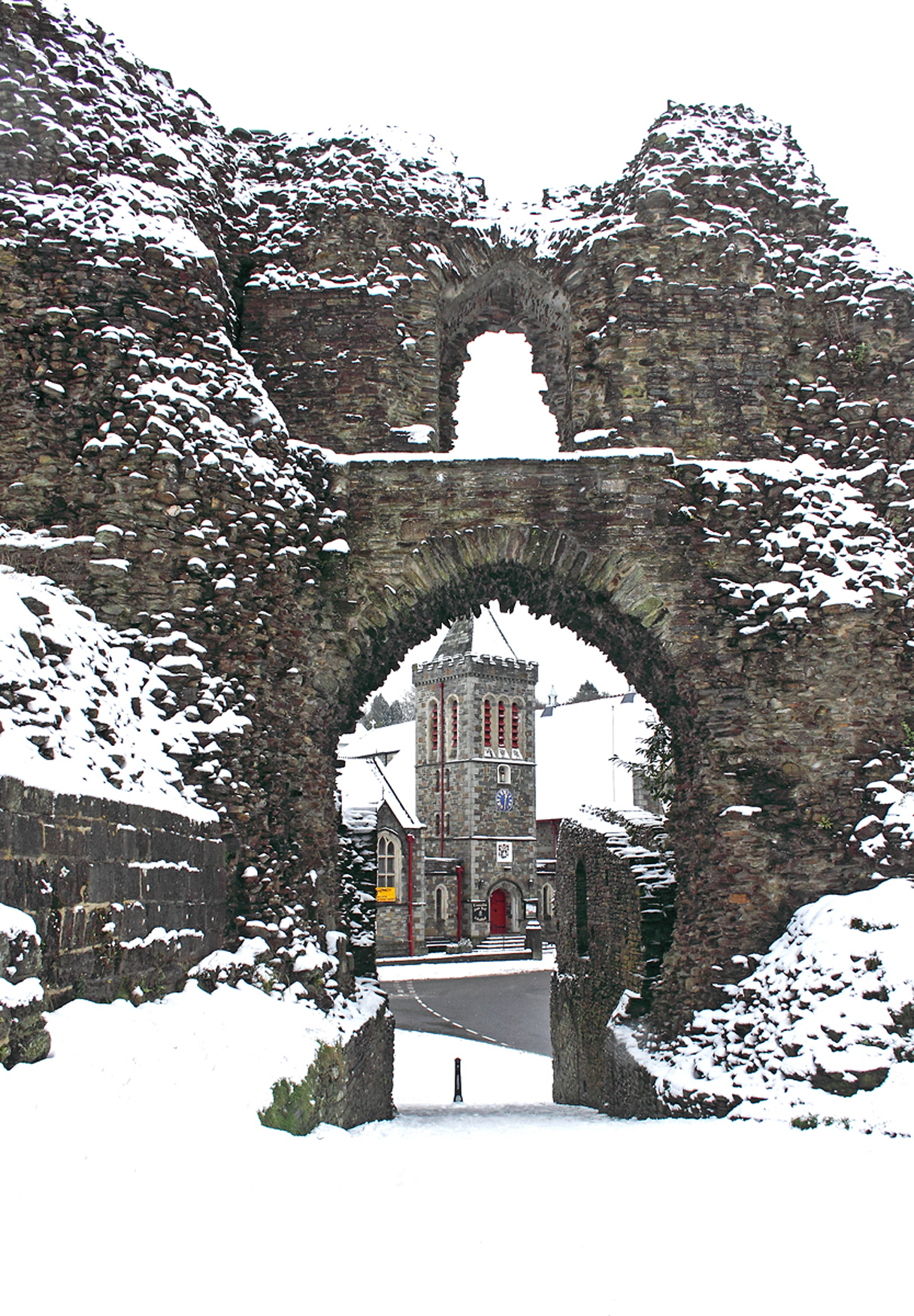
Main picture by Adrian Davey.


_web.webp)