.svg)


Have you
SUBSCRIBED?
Keep up with Cornish Life
From Mistletoe to Mince Pies: The Origins of our Winter Symbols
There are many things we associate with the winter season: holly and mistletoe, the scent of oranges and cinnamon, and the endless puddings that grace our tables.
From Mistletoe to Mince Pies: The Origins of our Winter Symbols
There are many things we associate with the winter season: holly and mistletoe, the scent of oranges and cinnamon, and the endless puddings that grace our tables.
Food
Mince pies were originally savoury, with meat mixed with spices and encased in pastry, baked throughout December to celebrate Christmas. They were large oblong pies made to feed a larger number of people, and often baked with a figure of the baby Jesus on top. Replacing the very simple and inedible flour and water pastry recipe, cooks began to introduce fats to the mixture in the 17th century, which made a tastier pastry. It wasn’t until the 18th century that the use of sweet ingredients was more common, and by the 20th century, mince pies were meat-free and consisted of fruit mincemeat, spices and shortcrust pastry.
Entertainment
Mummers’ plays date back over 800 years and were regular forms of Christmas entertainment for the ordinary people in their communities, which involved traditional dancing and dramatic performance while wearing costumes. Pantomime arose in the 18th century. John Rich produced pantomimes in London for many years and the pattern of pantomime has changed little over time; the fairy story or nursery rhyme still provides a thin plot which is updated. Originally, a carol was a ring dance with a singing accompaniment and the songs were later found in Miracle Plays.
During Cromwell’s time, many carols were preserved in folk songs. Nowadays the best known carol service is from King’s College Chapel. It opens with ‘Once in Royal David’s City’ and was first broadcast on the radio in 1930.
Figures and Symbols
The legend of Father Christmas goes back over sixteen hundred years to the story of St Nicholas; his goodness to the poor, gentleness and love of children endeared him to all. Leaves that remain green all year have always been a symbol of eternal life, and holly - especially with its red berries, representing the blood of Jesus - was believed to possess special healing powers. Mistletoe, too, was believed to have miraculous powers but because it was associated with the Druids, it was rarely seen in churches.
In 1843, Henry Cole oversaw the production of about 1,000 printed Christmas cards. This first card showed a family around a table raising their glasses for a toast. In 1862, the robin began to appear on cards.
Many legends involve animals and birds, and the birth of Jesus is no different: the wren took feathers and moss to cover the baby, while the cow warmed him. The raven was the first to hear the news of the birth because he was beside the shepherds, bees hum the 100th Psalm, and cattle turn to the east at midnight on Christmas Eve. The Glastonbury Thorn, believed to have been placed there by Joseph of Arimathea, flowers on January 6th.
With thanks to Marion Adams of Bodmin Town Museum.
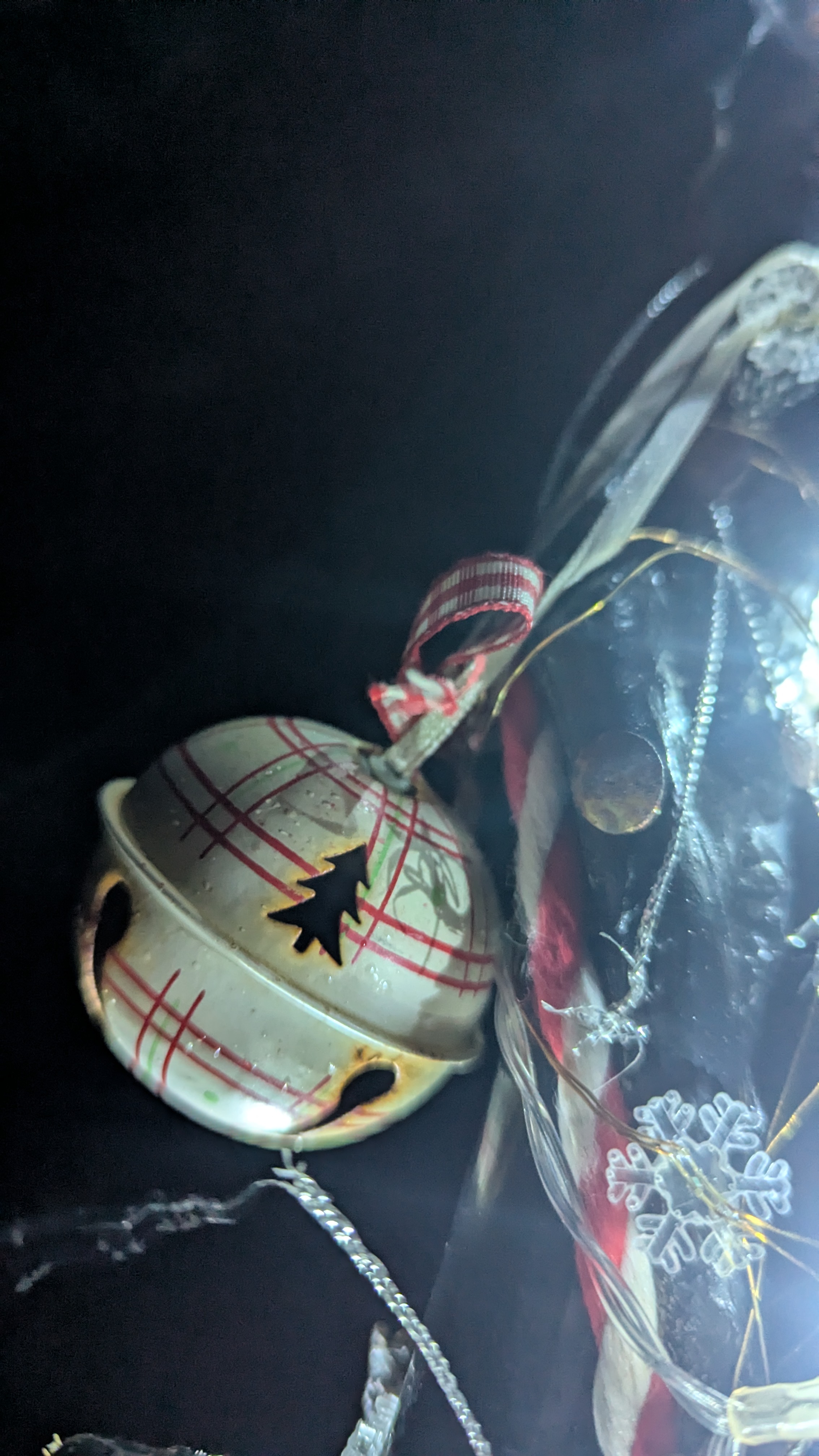
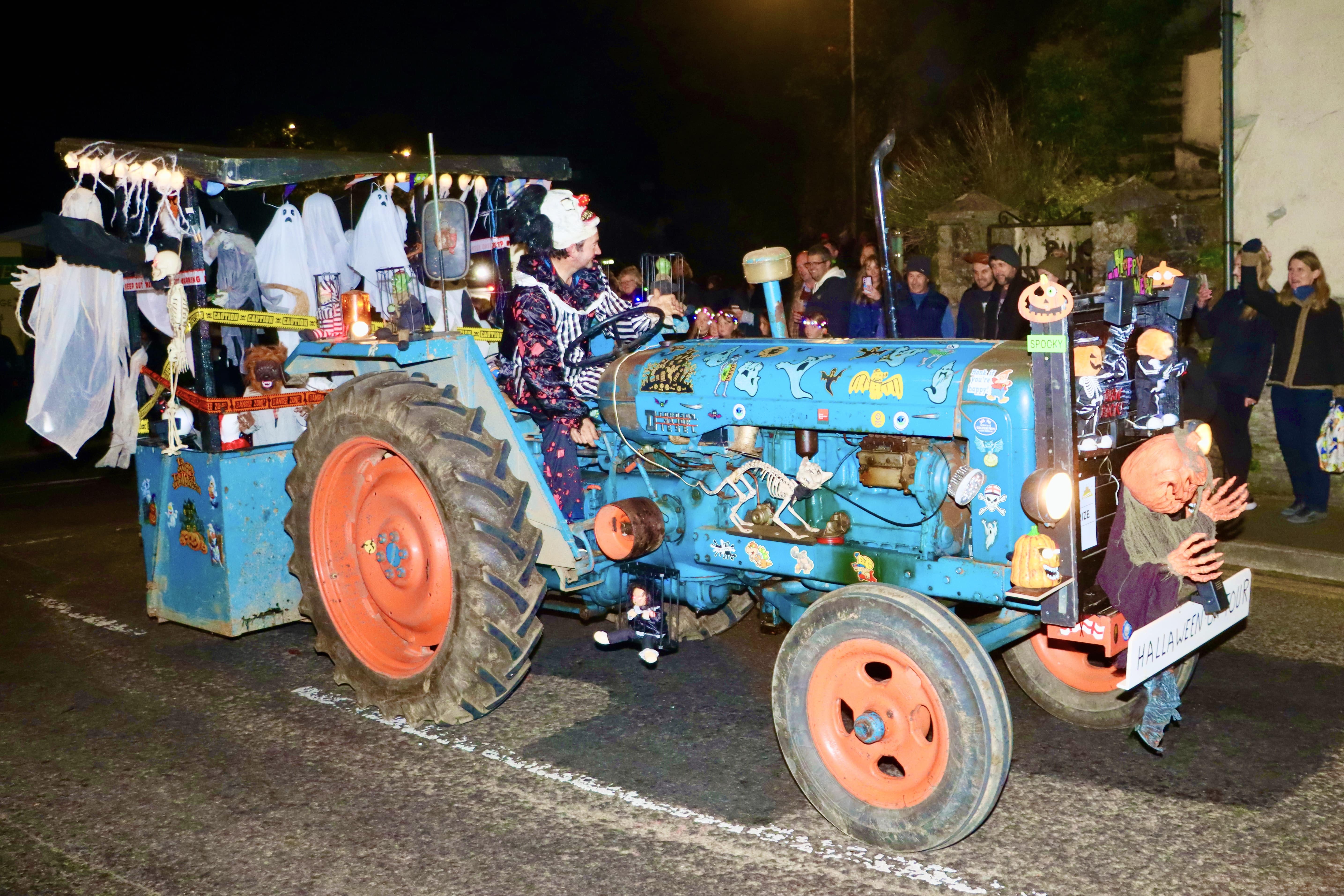
Picture by Mark Rowe of Bodmin Camera Club.


_web.webp)